Ghaf Woods Distrikt Building 1 marks the debut phase of an exceptional master development by Majid Al Futtaim, set in the lush surroundings of Wadi Al Safa 4. Designed for those who seek harmony between nature and modern urban living, the building features a ground floor, podium level, and 23 residential floors, offering a selection of 1-, 2-, and 3-bedroom apartments, including duplexes and garden residences.
- Sat, 31 January 2026


Payment Plan
10% + 4% DLD On booking
5% September 2025
10% March 2026
5% September 2026
10% March 2027
5% September 2027
5% March 2028
5% July 2028
5% November 2028
40% On handover
Ghaf Woods – Distrikt Building 1
Location: City Of Arabia
Developer

Majid Al Futtaim
About The Project
Project Highlights:
The architectural design embraces a minimalist aesthetic, seamlessly blending with the surrounding greenery. Each residence is enhanced by terraces, panoramic windows, and open spaces, fostering a continuous connection to nature.
Interiors are available in two distinct design concepts — Terra and Horizon — both featuring natural materials, wood finishes, and soft earthy tones for a warm, elegant ambiance.
Strategic Location:
The architectural design embraces a minimalist aesthetic, seamlessly blending with the surrounding greenery. Each residence is enhanced by terraces, panoramic windows, and open spaces, fostering a continuous connection to nature.
Interiors are available in two distinct design concepts — Terra and Horizon — both featuring natural materials, wood finishes, and soft earthy tones for a warm, elegant ambiance.
Amenities
- Fitness studio and cycling studio
- Indoor climbing wall
- Clubhouse with lounge area and cinema room
- Children’s playroom and family zones
- Swimming pools and landscaped gardens
- Barbecue areas and panoramic terraces
- Co-working spaces, cafés, and retail arcades


Unit Types
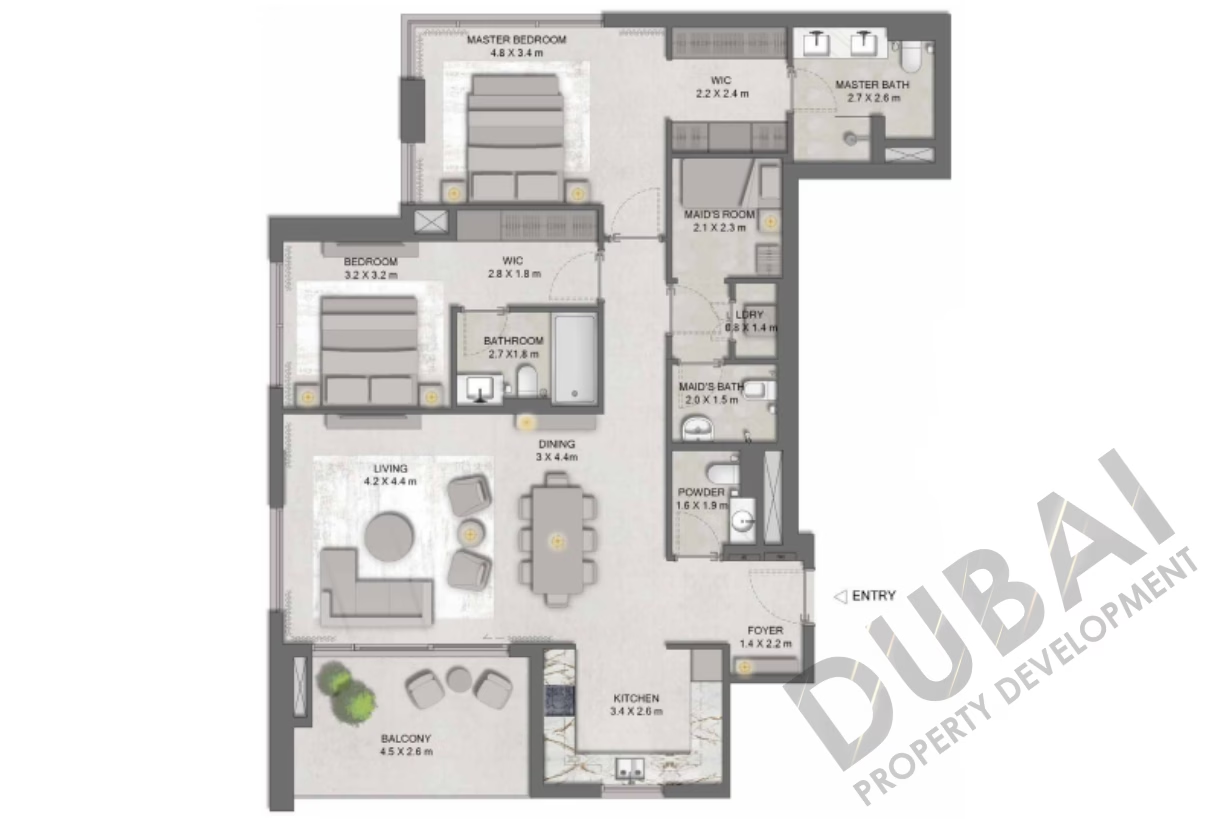
Code No: mfgw02
Bedroom: 2 Bedrooms
Bathroom: 3
Size: 1,443.23 Sq.ft
Price: AED 2,824,000
Send Enquiry
Fill out the form to request more details or book your preferred apartment. Our property specialists will contact you as soon as possible or you can also contact directly to one of our agent through Whatsapp.

Our platform offers off-plan, secondary, joint venture, and developer partnership opportunities, along with full property services.
Need Help For Investment?
Get in touch with us to get the best and secure suggestion for investment.
- Sat, 31 January 2026

Ghaf Woods – Distrikt Building 1
Location: City Of Arabia
Payment Plan
10% + 4% DLD On booking
5% September 2025
10% March 2026
5% September 2026
10% March 2027
5% September 2027
5% March 2028
5% July 2028
5% November 2028
40% On handover
Developer

Majid Al Futtaim
About The Project
Ghaf Woods Distrikt Building 1 marks the debut phase of an exceptional master development by Majid Al Futtaim, set in the lush surroundings of Wadi Al Safa 4. Designed for those who seek harmony between nature and modern urban living, the building features a ground floor, podium level, and 23 residential floors, offering a selection of 1-, 2-, and 3-bedroom apartments, including duplexes and garden residences.
Project Highlights:
The architectural design embraces a minimalist aesthetic, seamlessly blending with the surrounding greenery. Each residence is enhanced by terraces, panoramic windows, and open spaces, fostering a continuous connection to nature.
Interiors are available in two distinct design concepts — Terra and Horizon — both featuring natural materials, wood finishes, and soft earthy tones for a warm, elegant ambiance.
Strategic Location:
The architectural design embraces a minimalist aesthetic, seamlessly blending with the surrounding greenery. Each residence is enhanced by terraces, panoramic windows, and open spaces, fostering a continuous connection to nature.
Interiors are available in two distinct design concepts — Terra and Horizon — both featuring natural materials, wood finishes, and soft earthy tones for a warm, elegant ambiance.
Amenities
- Fitness studio and cycling studio
- Indoor climbing wall
- Clubhouse with lounge area and cinema room
- Children’s playroom and family zones
- Swimming pools and landscaped gardens
- Barbecue areas and panoramic terraces
- Co-working spaces, cafés, and retail arcades


Unit Types
Code No: mfgw02
Bedroom: 2 Bedrooms
Bathroom: 3
Size: 1,443.23 Sq.ft
Price: AED 2,824,000
Send Enquiry
Fill out the form to request more details or book your preferred apartment. Our property specialists will contact you as soon as possible or you can also contact directly to one of our agent through Whatsapp.


